Finding the perfect home is an exciting journey, but for many people in the Deaf and Hard of Hearing (HoH) community, it can be more challenging than it should be.
Traditional homes aren’t always built with accessibility in mind, which is why more buyers are searching for properties that meet their unique needs.
As awareness grows, so does the demand for accessible homes—changing the way real estate works for the better.
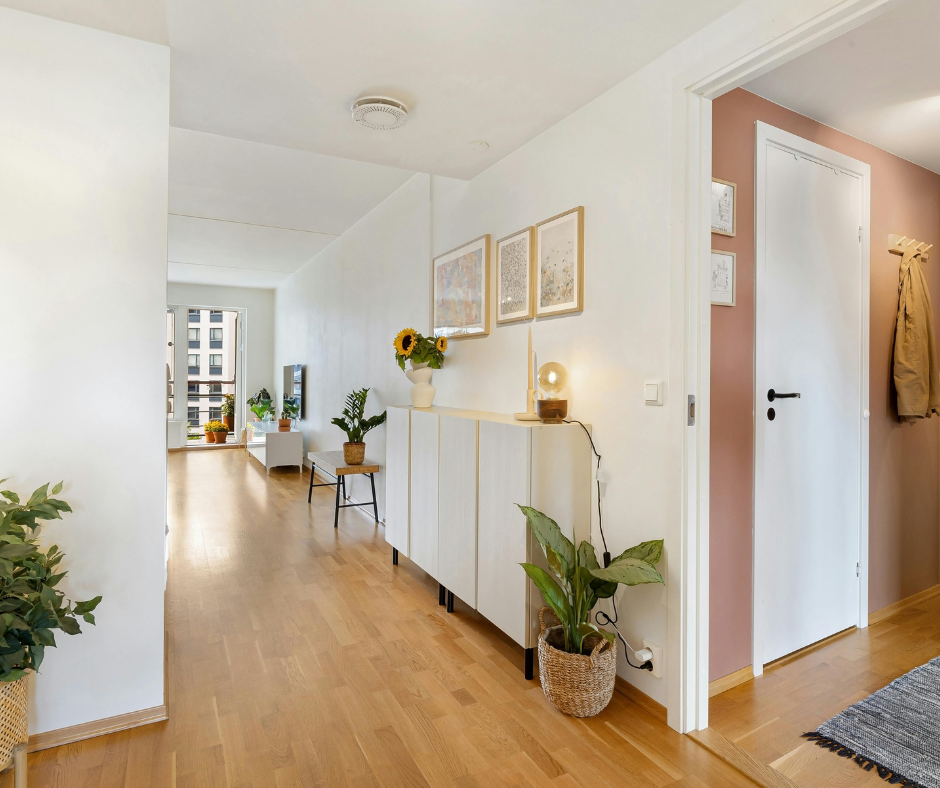
Accessibility in housing isn’t just about ramps and elevators—it’s about creating a space where people feel comfortable, safe, and independent.
For the Deaf community, this could mean open floor plans for clear visual communication, smart home technology with visual alerts, or video doorbells to improve security.
As more homebuyers prioritize these features, builders and real estate professionals are taking notice. Developers are beginning to design homes that are more inclusive, while realtors are working to better serve buyers who need these accommodations.
Real estate agents and home builders are starting to recognize the need for more accessible homes. Some agencies now offer listings that highlight Deaf-friendly features, and organizations are advocating for better accessibility in new housing developments.
Homeowners who want to sell are also realizing that making small upgrades—like installing a video doorbell or adding smart lighting—can increase their home’s value and attract a wider pool of buyers.
The demand for accessible homes isn’t just a trend—it’s part of a bigger movement toward making real estate more inclusive. Everyone deserves a home that fits their lifestyle, and as awareness grows, we’ll hopefully see more properties designed with accessibility in mind.
If you’re looking for a home that meets your needs or want advice on making your home more accessible, reach out to a realtor who understands these unique requirements.
Your perfect home is out there—you just need the right tools and support to find it!
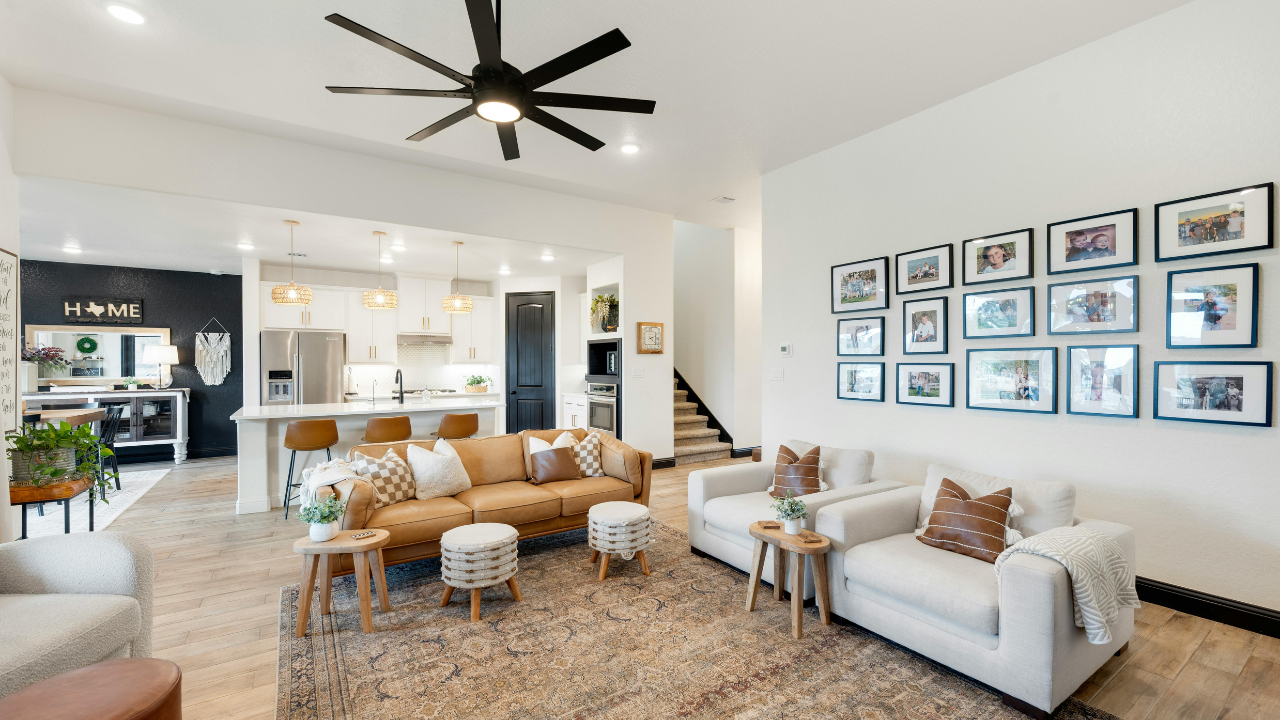
Finding the right home is about more than just location—it’s about comfort, safety, and independence. For the Deaf and Hard of Hearing community, accessibility features can make all the difference in creating a space that truly feels like home. Thankfully, the real estate industry is starting to catch up, with more homes being designed to meet diverse needs.
Whether you’re searching for a home that fits your lifestyle or thinking about making your current space more inclusive, there are plenty of options out there. The key is knowing what to look for and working with professionals who understand your needs.
Your perfect home is out there—it’s just a matter of finding it!