Buying a home is an exciting milestone but the final step, known as closing, can feel overwhelming, especially if you rely on American Sign Language (ASL) to communicate.
The closing process involves signing important legal documents, understanding complex terms, and ensuring that every part of the transaction is clear.
For Deaf and hard of hearing homebuyers, having the right support in place is essential to making this day as smooth and empowering as possible.
In this blog post, we’ll walk you through what to expect during your home closing, how to prepare, and how to make sure your experience is fully accessible, so you can focus on celebrating this big achievement.
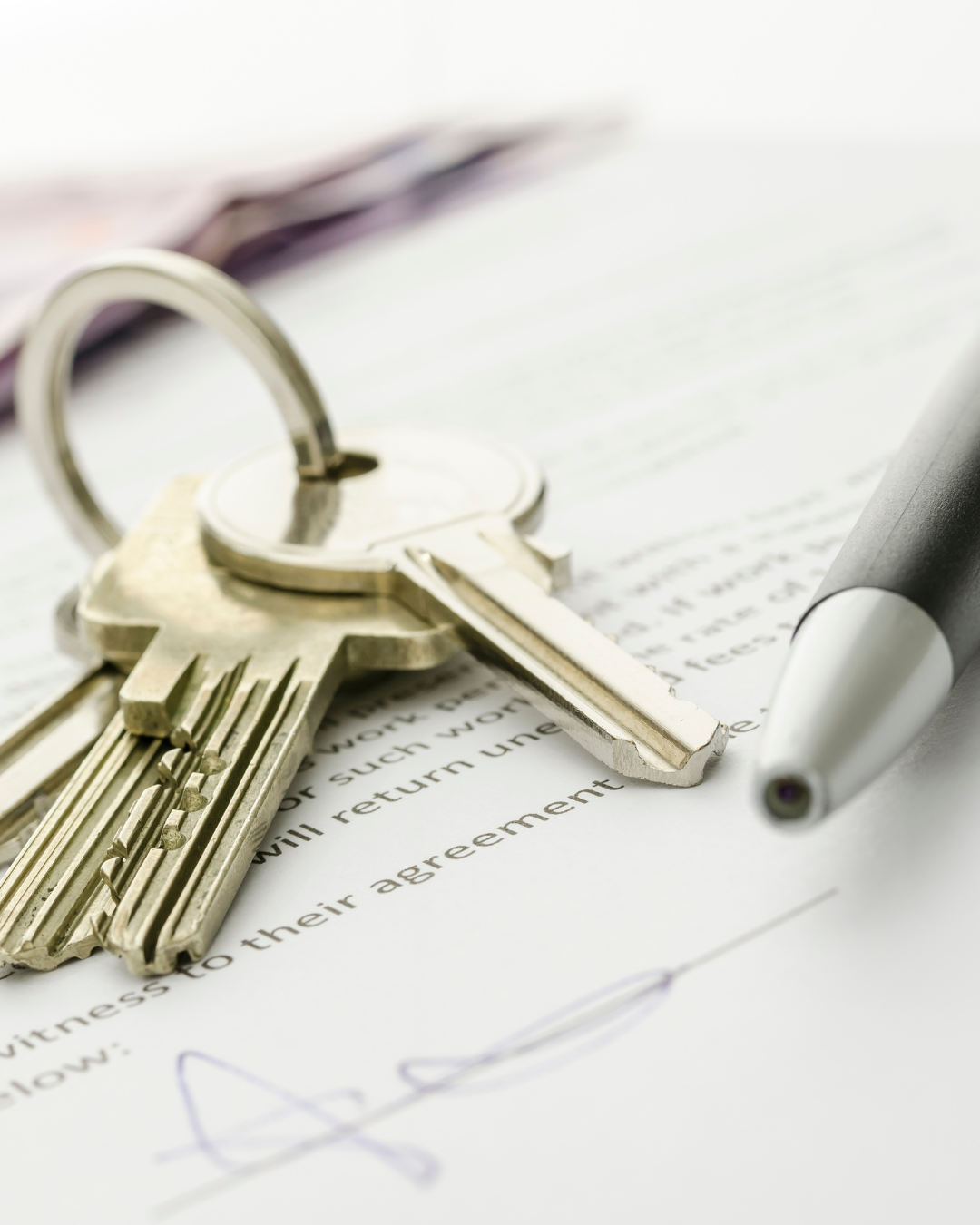
The closing process is when ownership of the home officially transfers from the seller to you, the buyer. This typically takes place at a title company, escrow office, or attorney’s office. During this meeting, you’ll review and sign numerous documents, including:
You’ll also pay any remaining closing costs and receive the keys to your new home. Because this process involves legal jargon and fast-paced explanations, it’s crucial to have accessible communication in place.
Without full access to communication, important details can easily get missed. This is why it’s vital to request and arrange for an ASL interpreter for closing well in advance. Interpreters help ensure that you can fully understand and ask questions about the documents you’re signing.
Additionally, choosing a lender, title company, and real estate agent who are familiar with the Deaf home closing process can make the experience more supportive and seamless.
Here are some simple steps to make sure you’re ready for your accessible home purchase signing:
As soon as your closing date is scheduled, request an ASL interpreter. Let your title company or closing agent know that you require one and confirm who will be responsible for hiring and paying the interpreter (many companies will cover this cost under accessibility requirements).
Request copies of all documents ahead of time so you can review them at your own pace, ask questions, and prepare for the meeting. This gives you extra time to understand any complex terms or details.
Work with an attorney or title company experienced in providing services to Deaf and hard of hearing clients. They should be willing to accommodate your communication preferences and ensure that the entire process is inclusive.
In addition to an interpreter, you may choose to bring a trusted friend or family member who can support you during the signing.
If any parts of the closing are conducted virtually, confirm that video conferencing platforms support high quality video for clear signing and interpreter visibility.
Closing on your new home should be a joyful experience, not a stressful one. By planning ahead and advocating for your communication needs, you can ensure a smooth and fully informed accessible home purchase signing.
Don’t be afraid to ask for the support you deserve every step of the way.
Remember: You’re not just buying a house, you’re claiming a space to call your own. With the right preparation and team in place, you can confidently close the deal and walk away with the keys in hand, ready for this exciting new chapter.