

Accessible Home Features Every Deaf and Hard of Hearing Buyer Should Look For in Lexington

Creating a home that’s both stylish and accessible is all about thoughtful design and smart technology. For Deaf and Hard of Hearing (DHH) buyers in Lexington, here’s a guide to features that enhance safety, visibility, communication, and comfort.

Visual and Tactile Alert Systems

  • Flashing-doorbell systems: Install systems with strobes or LED receivers that flash when someone rings the doorbell—typically visible throughout the home. Some also offer vibration and smartphone notifications for layered alerting.

  • Safety alarms with visual cues: Connect smoke and carbon monoxide detectors to flashing lights and vibration devices so alerts don’t get missed. These can also integrate with mobile notification systems—even when you’re away. 

Smart Home Integration for Inclusive Alerts 

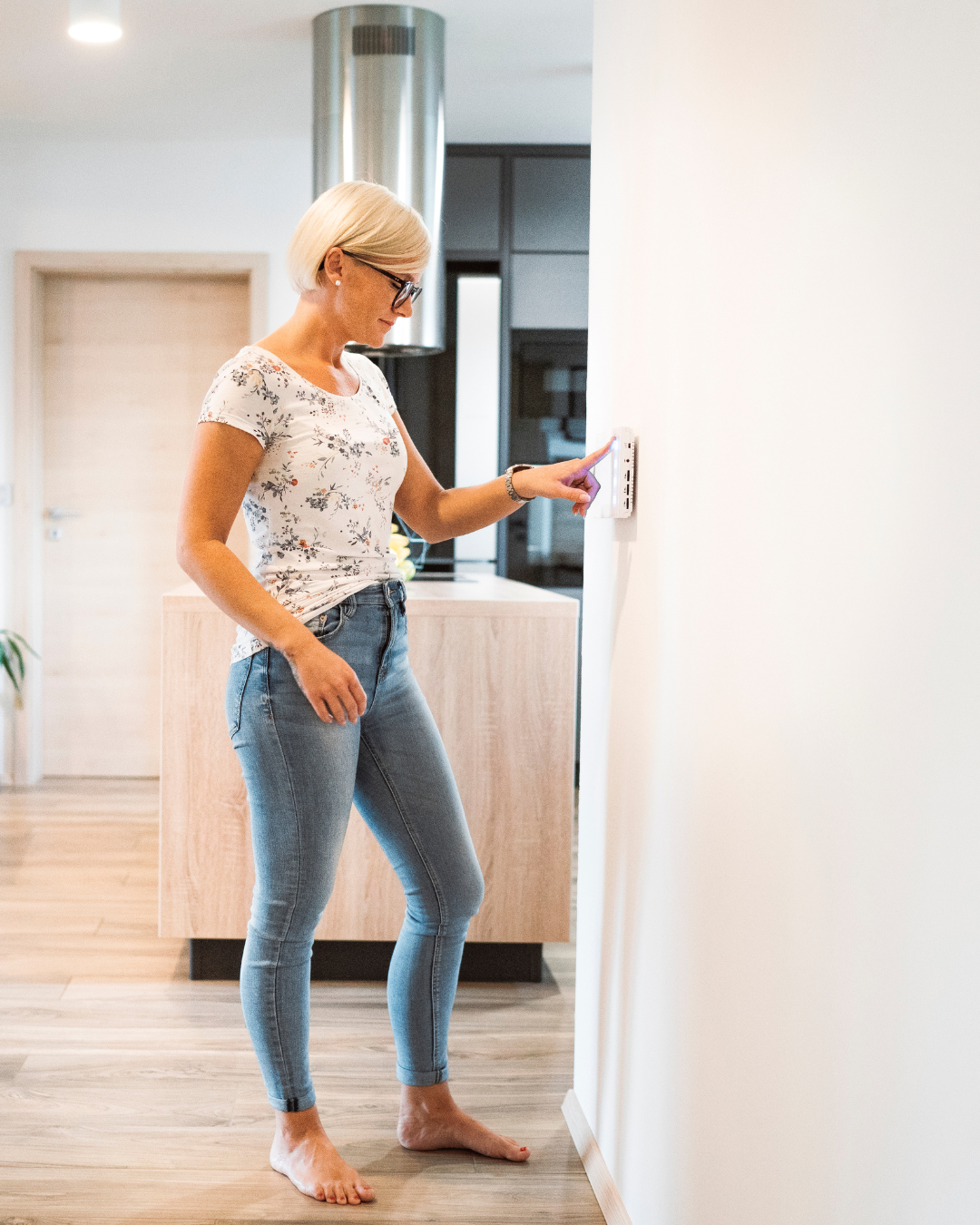
  • Use smart doorbells (e.g., Ring, Nest, Alexa-enabled models) that offer visual notifications on connected lights or smart displays—often paired with video feeds and app alerts 

  • Smart lighting with notification routines: Set routines such as flashing lights for doorbell rings, motion detection, or other home events. Color-coded lighting can convey different alerts—e.g., blue for guests, red for emergencies.

  • Connected safety systems: Enable emergency alerts via phone notifications or smart assistants when alarms are triggered—critical for maintaining awareness even when not home 

Open Lay-Out & Visual Flow

  • Open floor plans: Opt for layouts with minimal visual obstructions—ideal for signing visuals, sighted communication, and maintaining awareness of activity throughout the home.

  • Strategically arranged furniture: Use u-shaped or parallel layouts with low-profile seating to maintain clear sight lines and reduce visual clutter

Optimized Lighting  & Hallway Design

  • Even, glare-free lighting: Ensure lighting is consistent to improve visibility of facial cues and signage. Avoid both dim and overly bright or direct lighting that can create glare. 

  • Wider hallways (≥60 inches): Allows two people to walk side-by-side while signing—much more comfortable than standard narrower hallways. 

  • Sound control where needed: Depending on preference, consider acoustic panels or rugs to minimize echo—but if some vibration cues are useful, floors like hardwood can be beneficial.

Visual Signage & Clear Navigation

  • Smart speaker-displays: Devices like Amazon Echo Show or Facebook Portal offer text captions and visual controls—great for interacting with your smart home without relying on audio alone. 

  • Video intercom systems: Smart intercom setups with video and text options allow residents to see visitors and communicate in real time—enhancing both accessibility and security. 

Smart Appliances with Notification Capabilities 

  • Choose appliances that notify via app instead of—or in addition to—audible alerts. Smart ovens, washers, or coffee makers can send visual or text alerts to your phone when cycles finish . 

  • Smart locks & perimeter control: Keyless, app-controlled locks with notification logs enhance security and accessibility—without relying on audio feedback

Final Thoughts

By combining smart alert systems, strategic home design, and accessible digital tools, Deaf and Hard of Hearing buyers in Lexington can enjoy homes that support safety, communication, and independence. These inclusive design recommendations offer both peace of mind and seamless living.

Would you like help locating local Lexington contractors, home designers, or smart-home vendors familiar with these features?