Buying a home is a big step, and home inspections play a crucial role in making sure your future house is safe, sound, and right for you.
For Deaf buyers, navigating a home inspection can sometimes feel challenging because of communication barriers or the need for clear visual information.
A home inspection is a detailed check-up of the property you’re interested in buying. The inspector looks at major systems and components like the roof, plumbing, electrical, heating and cooling, foundation, and more.
The goal is to spot any problems or repairs needed before you finalize your purchase.
For Deaf buyers, being able to see and understand every step visually makes a huge difference. Inspectors usually carry tools and take photos or videos to document their findings, so ask if you can have these visuals to review afterward.
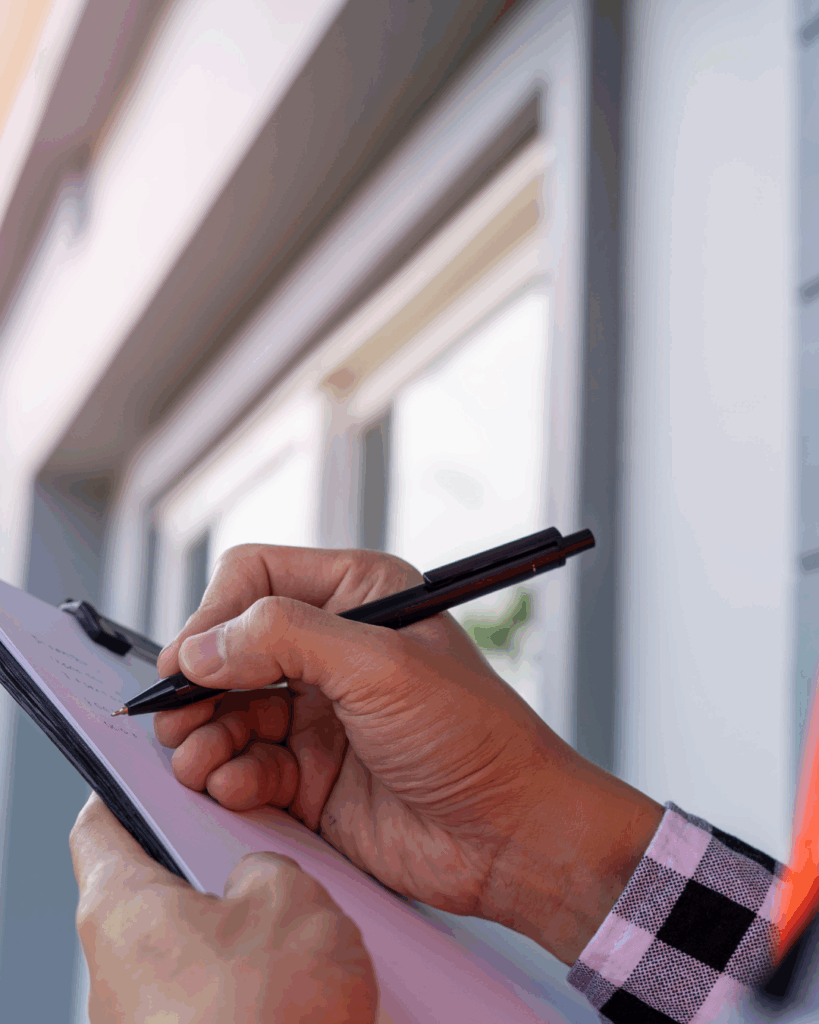
Visual communication is key. Here are some ways to use visuals to your advantage:
If you use an ASL interpreter, here are a few ways to ensure smooth communication:
Use the video recordings or photos with your interpreter to discuss findings later.
Even if you don’t have an interpreter on site, there are ways to make communication easier:
Home inspections don’t have to be intimidating or confusing, especially when you have the right tools and support.
By using visual aids, ASL interpretation, and clear communication strategies, Deaf buyers can confidently navigate inspections and make well-informed decisions about their new home.
Remember, your home inspection is your chance to learn everything you need to know about your potential home, so don’t be afraid to ask questions and request accommodations that make the process accessible for you.
With these tips and a little preparation, you’ll feel empowered and ready to take this exciting step toward homeownership.