Selling a home is a big milestone and if you’re part of the ASL community, navigating the process comes with unique considerations. One of the most important steps in selling your house is the home inspection and disclosure process.
Understanding these steps fully can help you avoid surprises, protect your rights, and feel confident throughout your sale.

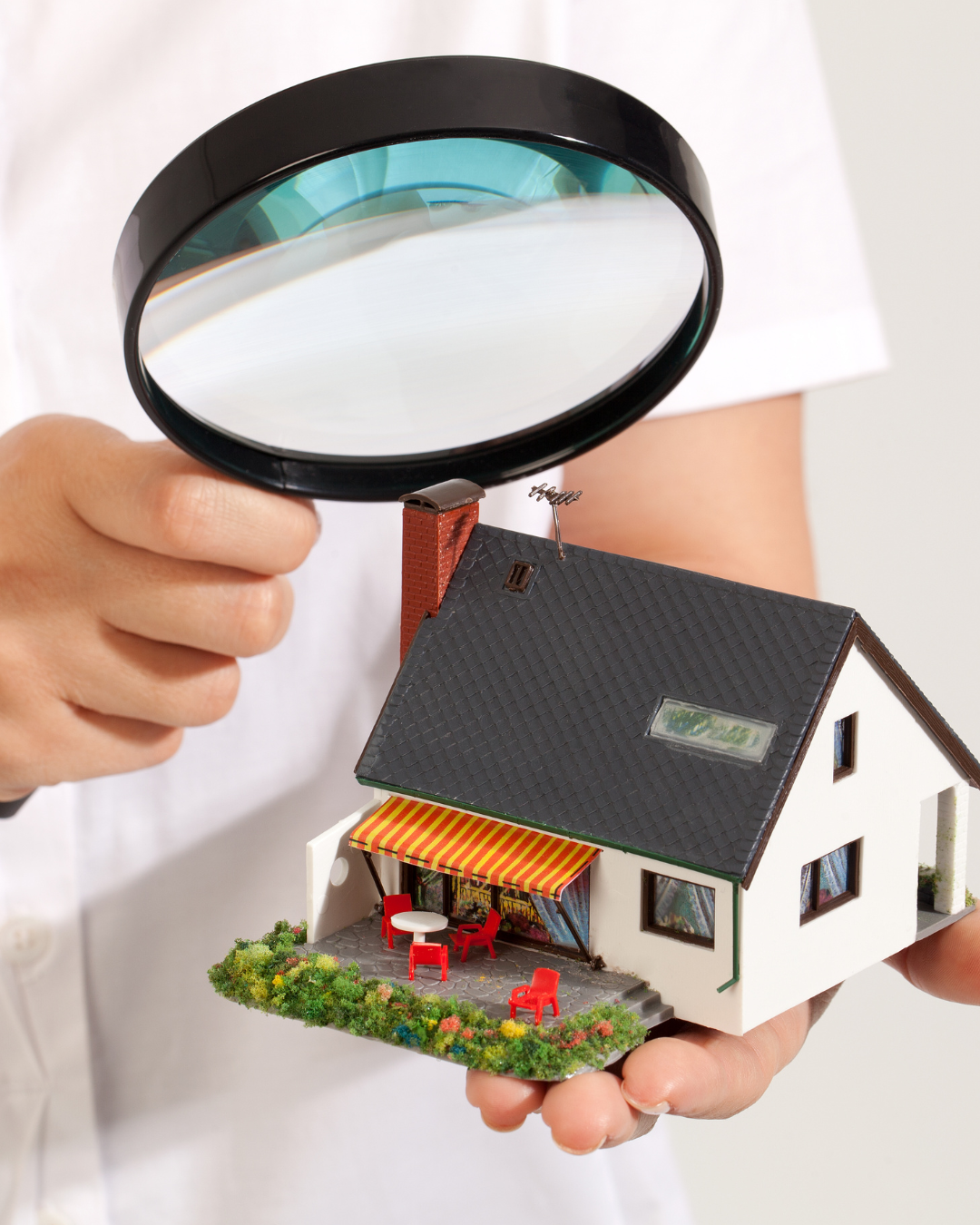

A home inspection is a thorough check-up of the property, usually done by a professional inspector, to identify any issues that might affect the sale or the home’s value.
For sellers who primarily use American Sign Language (ASL), it’s essential to find ways to communicate clearly and get a full understanding of the inspection results.
Here’s what typically happens during a home inspection:
For Deaf sellers, working with ASL interpreter friendly inspectors can make a huge difference. Some inspectors offer video remote interpreting or in-person ASL services, so you don’t miss any important details. Asking ahead about these options can help you feel empowered and fully informed.
Home disclosures are documents where sellers reveal known problems with the property. This might include past water damage, foundation issues, or neighborhood nuisances. Disclosures are legally required and protect both sellers and buyers by promoting transparency.
For the ASL community, having access to visual-friendly disclosure guides can help make this process clearer. Many resources are now designed with easy-to-understand visuals or videos in ASL to explain what each disclosure means and why it matters.
Selling a home is already a complex journey, but when ASL is your primary language, clear communication and understanding become even more vital. By seeking out ASL home inspection tips, using visual-friendly disclosure guides, and working with ASL aware professionals, Deaf sellers can navigate the process with confidence and peace of mind. Remember, your voice and signs matter every step of the way. The right support can make all the difference in turning your house sale into a smooth and successful experience.