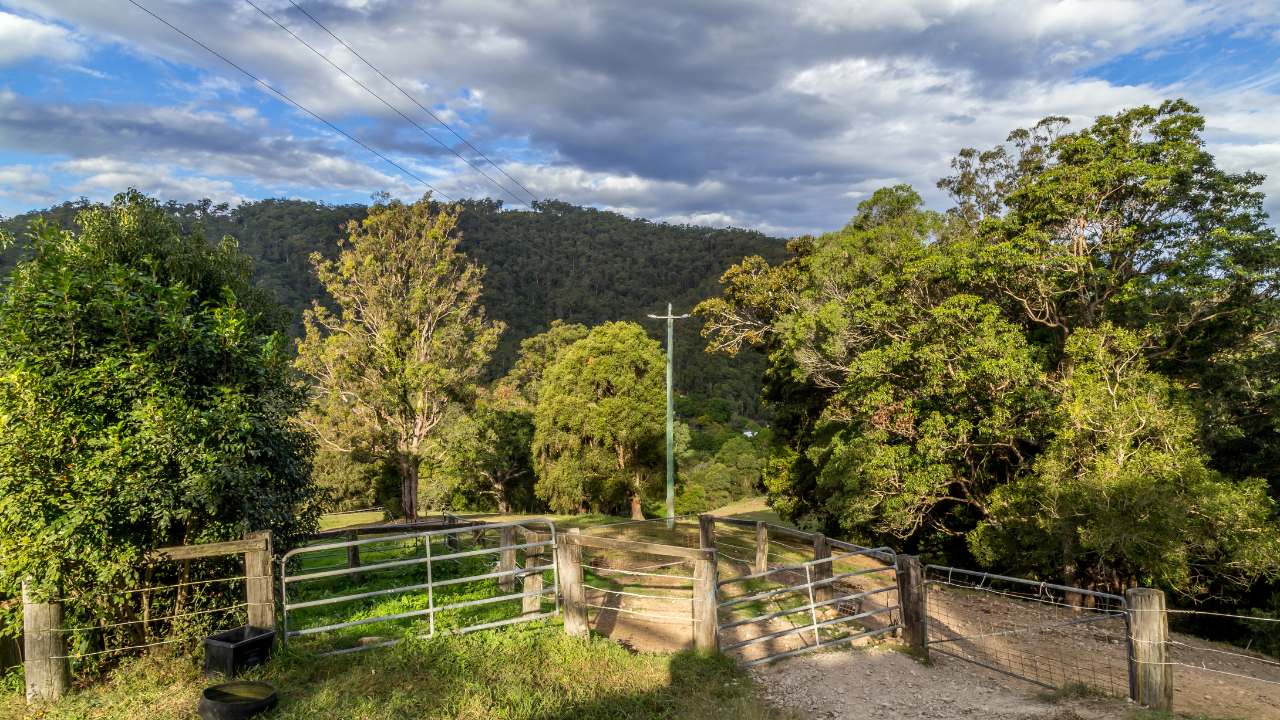
Selling a farm property comes with its own set of challenges and considerations. Unlike residential homes, farm properties require specialized knowledge and marketing strategies. If you’re looking to sell your farm, this guide will walk you through the key steps to ensure a successful sale.
Pricing a farm property is different from pricing a traditional home. It’s important to consider factors such as the size of the land, the condition of the property, and any agricultural improvements made. Work with a real estate agent who specializes in farm sales to determine the right price. Typically, you want to price your farm within 5 to 10% over market value to attract serious buyers.
Land Assessment: Evaluate the quality of your soil, water sources, and any existing infrastructure.
Documentation: Gather records of crop yields, livestock history, and any conservation efforts.
Legal Consideration: Ensure all zoning and land use regulations are in order.
Before listing your farm, make sure the property is in good condition. This includes maintaining the land, repairing any structures, and ensuring that all equipment and facilities are in working order. Potential buyers will want to see that the property is well-maintained, so take the time to make necessary repairs and improvement
Highlight Unique Features:
Emphasize aspects like fertile soil, water rights, and any sustainable farming practices.
Targeted Advertising:
Utilize agricultural publications and online platforms to reach potential buyers.
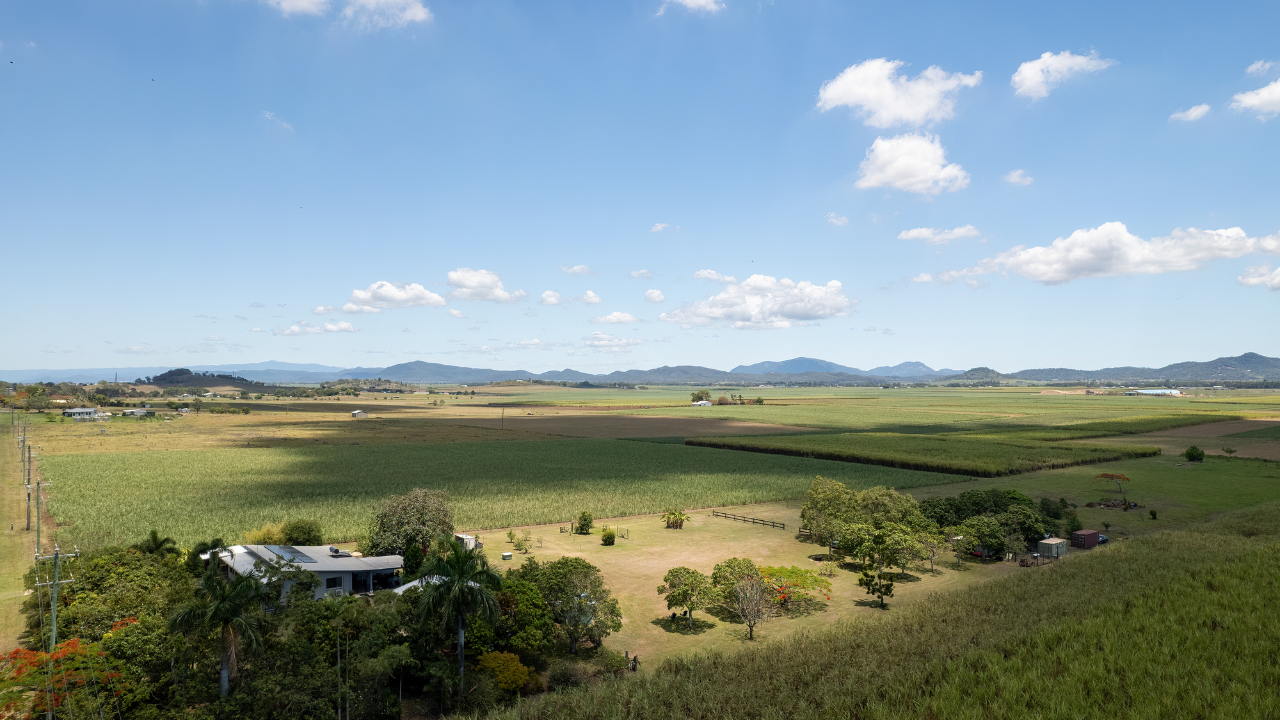
Aerial Photos/video
Aerial drone video will help give people an understanding of the terrain and what the property will be like before they even walk on it. This will also help avoid unnecessary lookers who can’t get a feel for the place with just a photo. They may be able to see the terrain better from the video and make their decision before needing to come out.
Marketing a farm requires a unique approach. Unlike residential properties, farm listings are often best advertised through agricultural real estate platforms and specialized publications. Highlight the property’s key features, such as crop yields, livestock facilities, or water rights. It’s also important to reach out to potential buyers within the farming community, as they may be more interested in purchasing land for agricultural purposes. Checking with neighbors first is always a great way to go as well.
Selling a farm involves legal and financial considerations that may not be present in a typical home sale. It’s essential to consult with professionals who specialize in agricultural real estate, including real estate agents, attorneys, and tax advisors. They can help you navigate the complexities of the sale and ensure that everything is handled properly.
Selling a farm property requires careful planning and the right expertise. By pricing your property correctly, preparing it for sale, and marketing it effectively, you can attract the right buyers and achieve a successful sale. Work with an experienced real estate agent who understands the unique challenges of selling farm properties to ensure the best possible outcome.